Prologue (2025)
Brunette Coleman Gallery
“The marines have landed, and the Cold War turns to a showdown.”
Nadi Abusaada
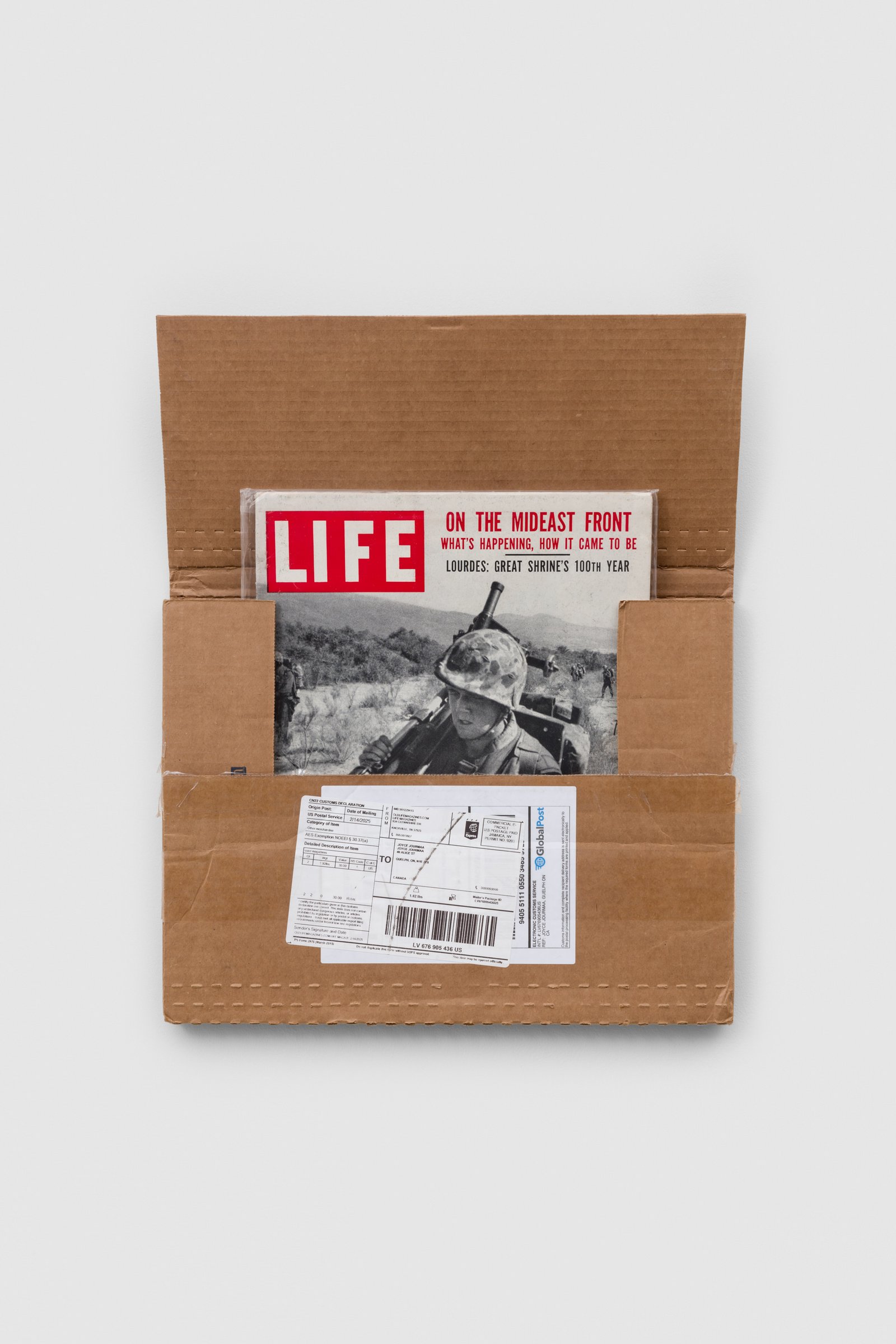
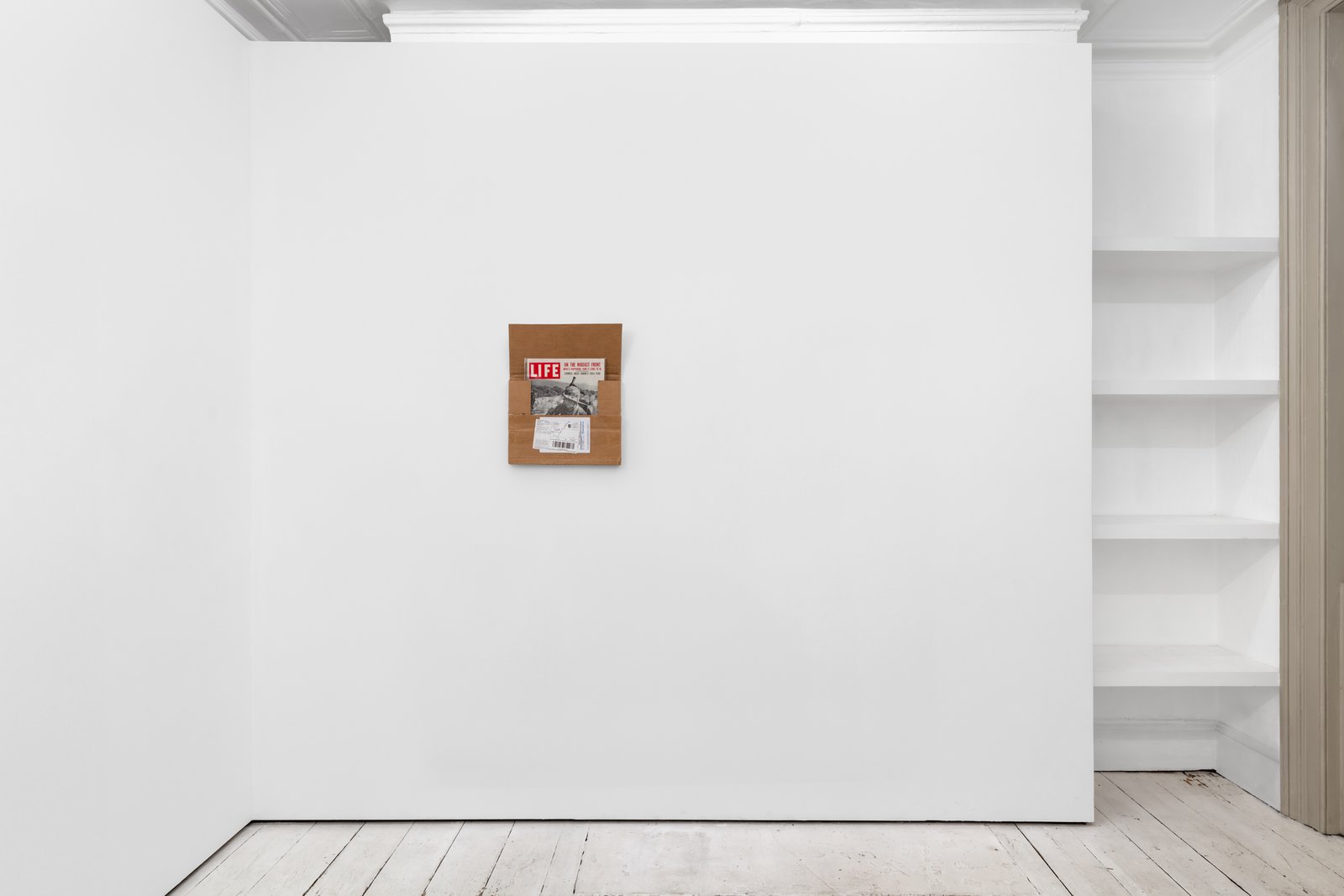
With this headline, Life Magazine opened its 28 July 1958 issue, reporting on the U.S. Marine landing on Lebanon’s shores in what came to be known as the “Lebanon Crisis.” At a moment when the region was pulled between the rival camps of the Cold War, Lebanon’s Western-backed president Camille Chamoun sought American support against the perceived threat of pan-Arab nationalism.
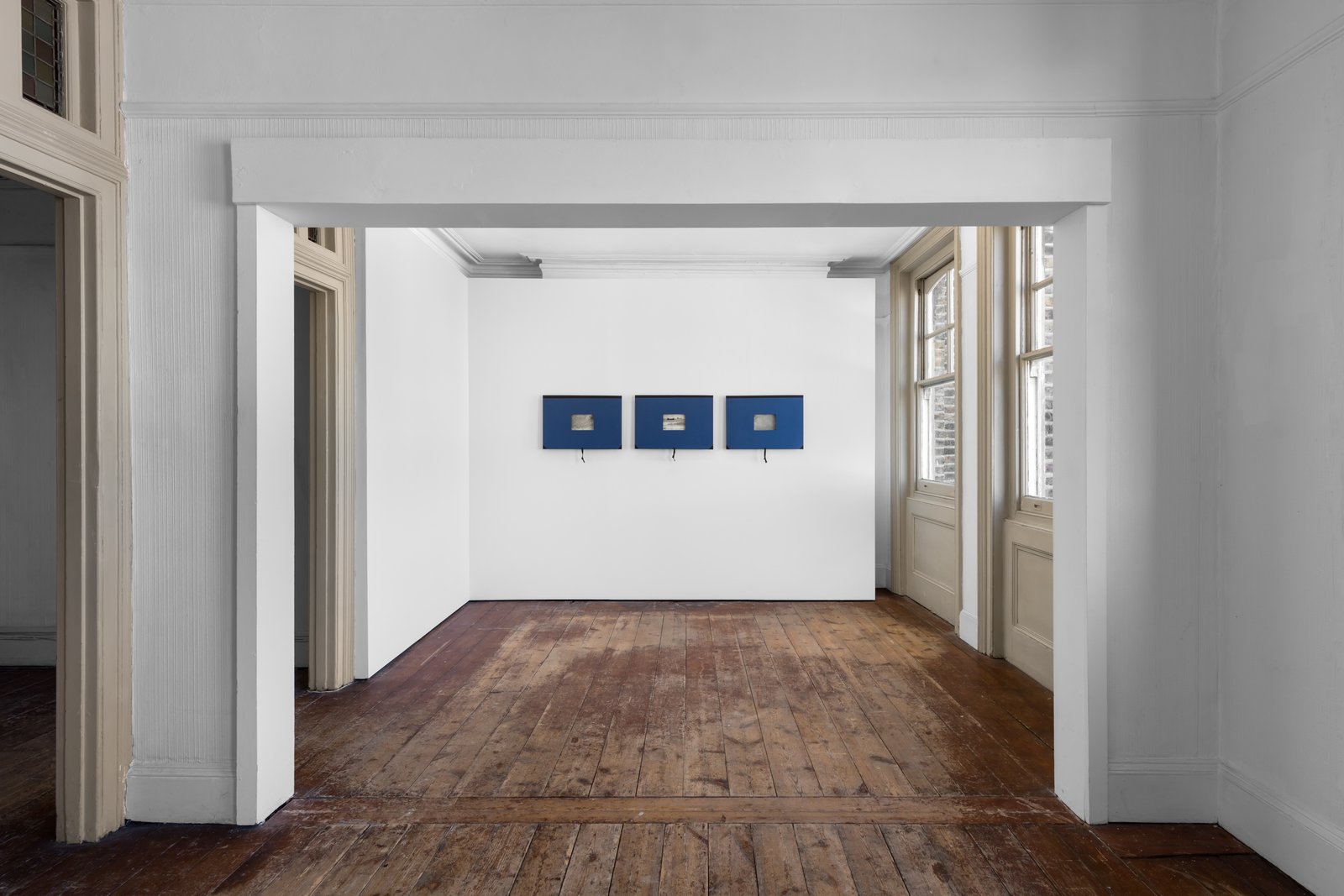
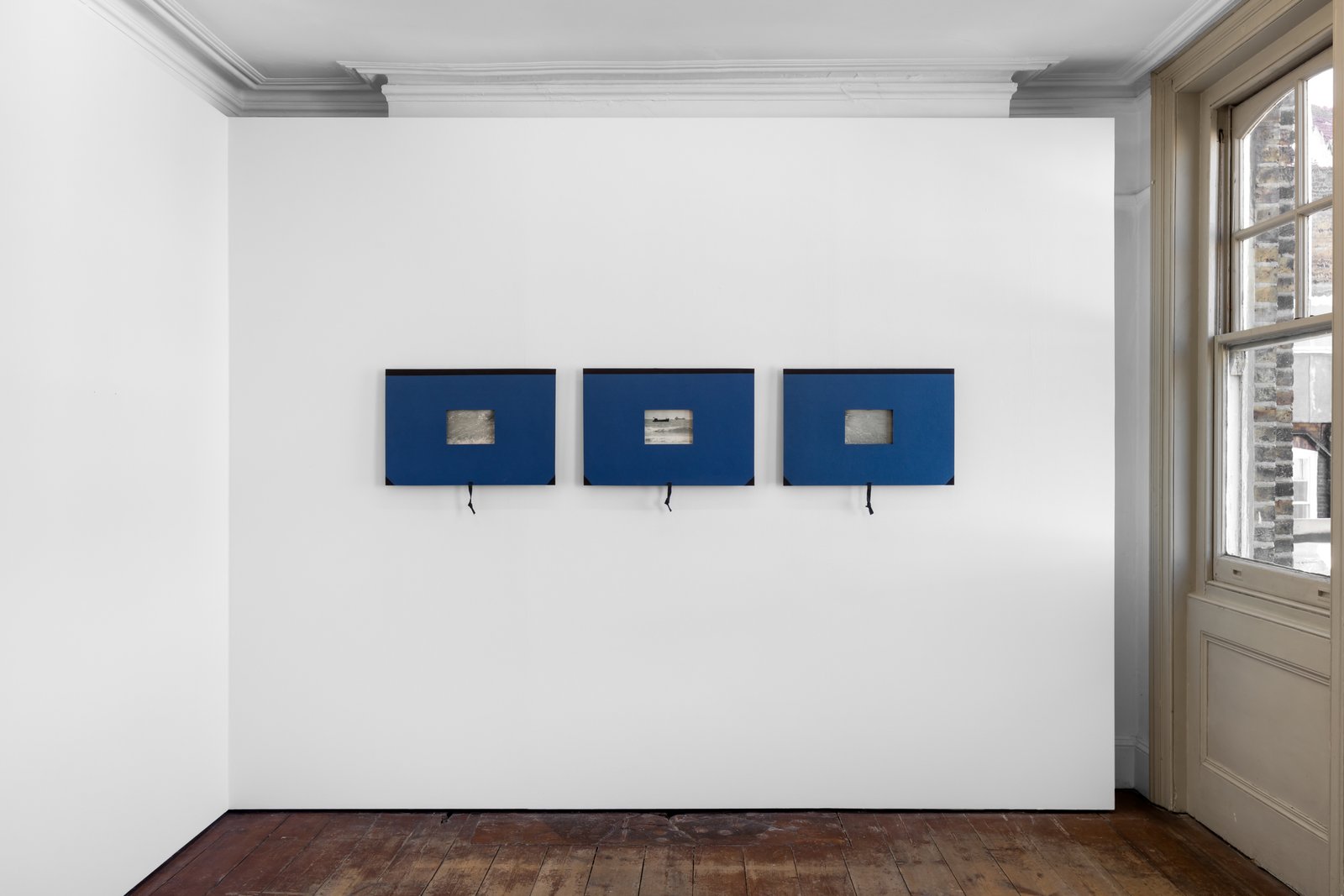
The magazine’s coverage, crafted for a Western audience, offered not just reportage but a carefully staged visual narrative. Under the banner “historic landings that made the corps famous,” it invoked earlier U.S. military exploits: the 1801-05 campaign on the shores of Tripoli, Libya, the “halls of Montezuma” in the 1847 Mexican War, the 1871 raid on Korea, and interventions in China, Nicaragua, and Haiti. These painted scenes of past triumphs were then juxtaposed with a contemporary photograph of the 1958 landing at the Bay of Khalde in Lebanon. In the distance, U.S. transports, destroyers, and landing craft dot the horizon; in the foreground, Marines wade through the surf toward shore.
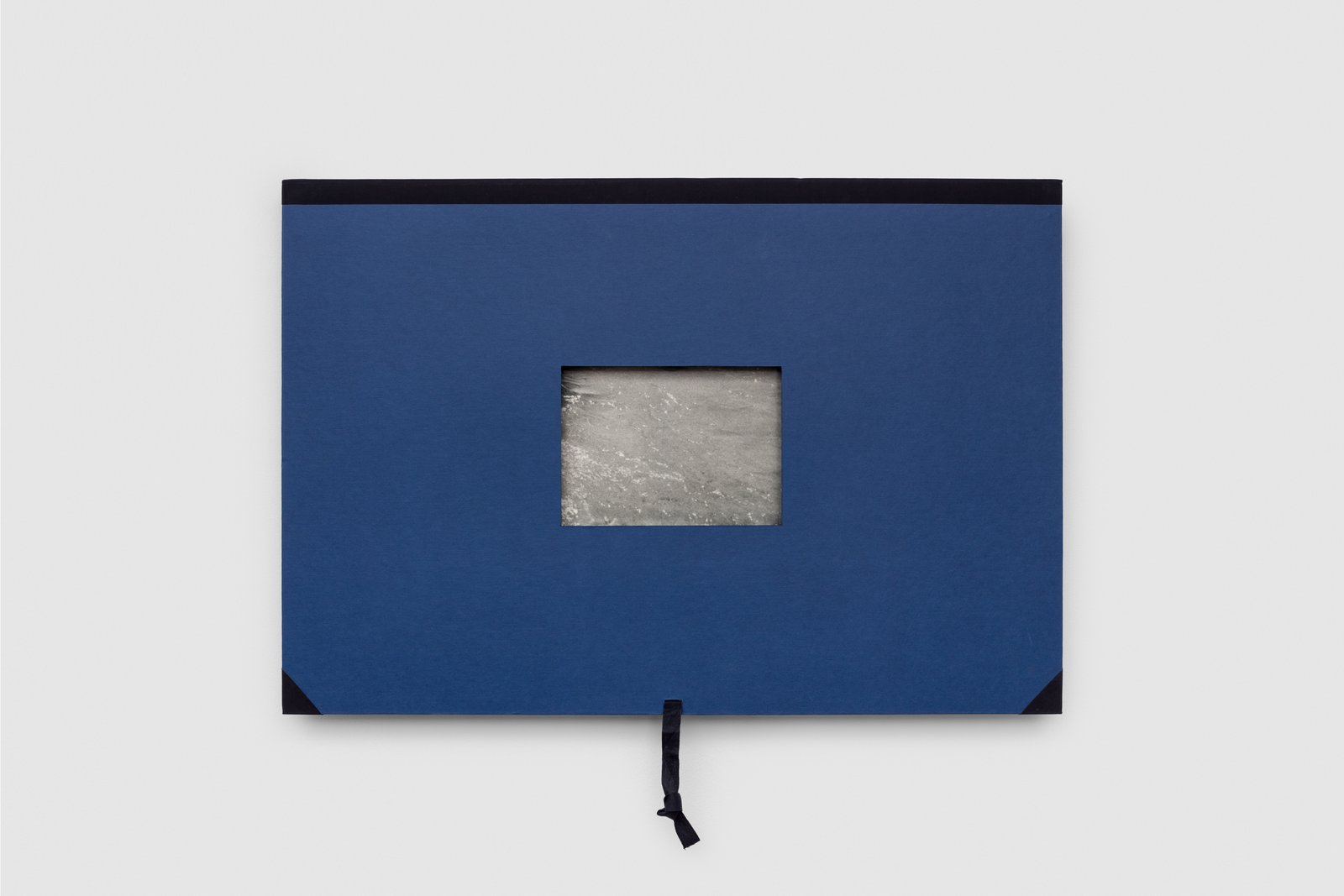
Departing from Life magazine’s coverage of the landings, this exhibition reflects on the contradictory imaginaries that shape both those who belong to a place and the imperial powers who arrive to conquer it. The Americans came ashore as “guests” in Lebanon, but it was the kind of visit where the host, the Lebanese people, had no right to refuse, and the guest never truly departs. It was, in effect, a prologue to what the late Lebanese composer and playwright Ziad Rahbani would later evoke in the title of his 1980 play, A Long American Film, underscoring the persistence of American political and cultural hegemony in Lebanon and the wider region.
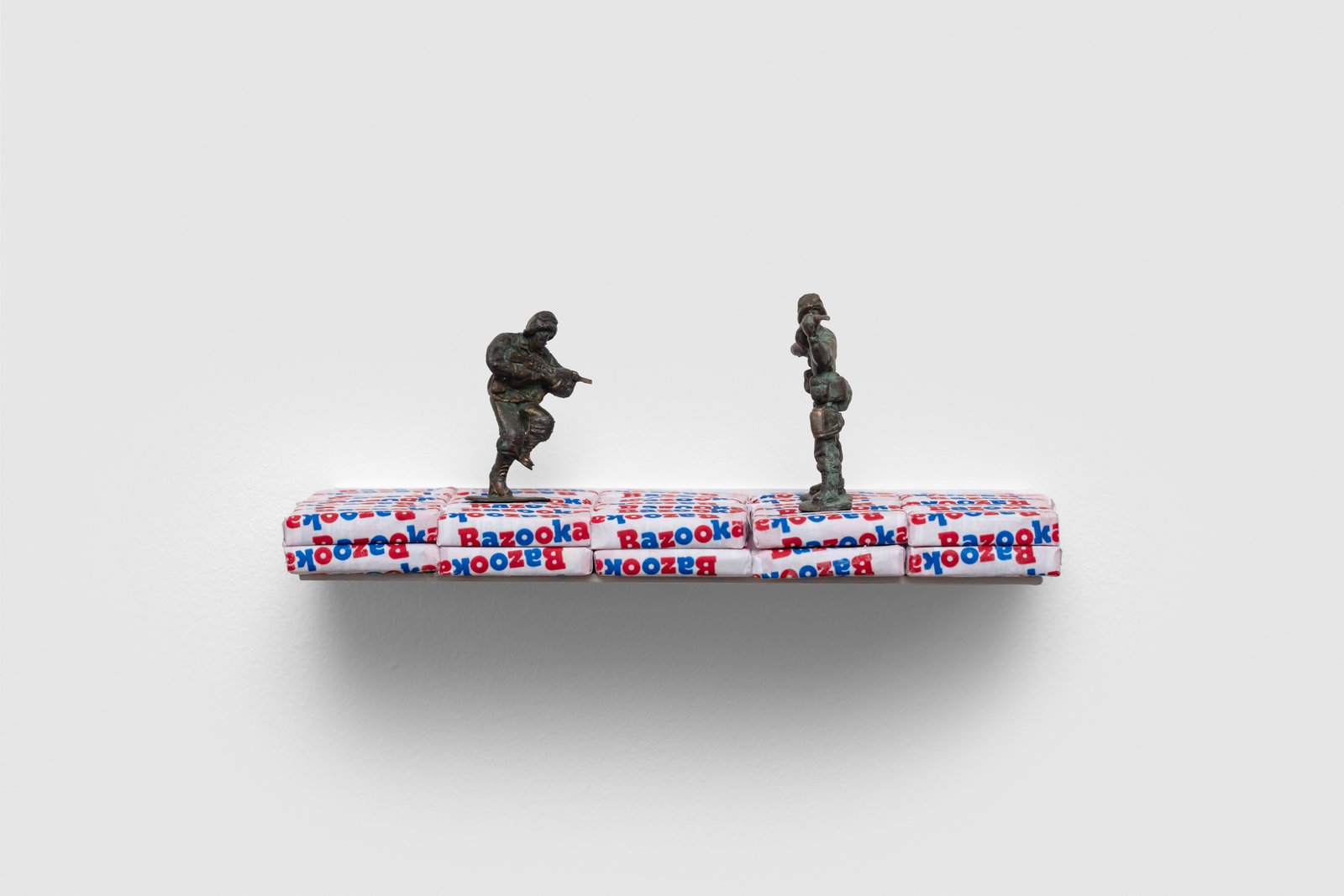
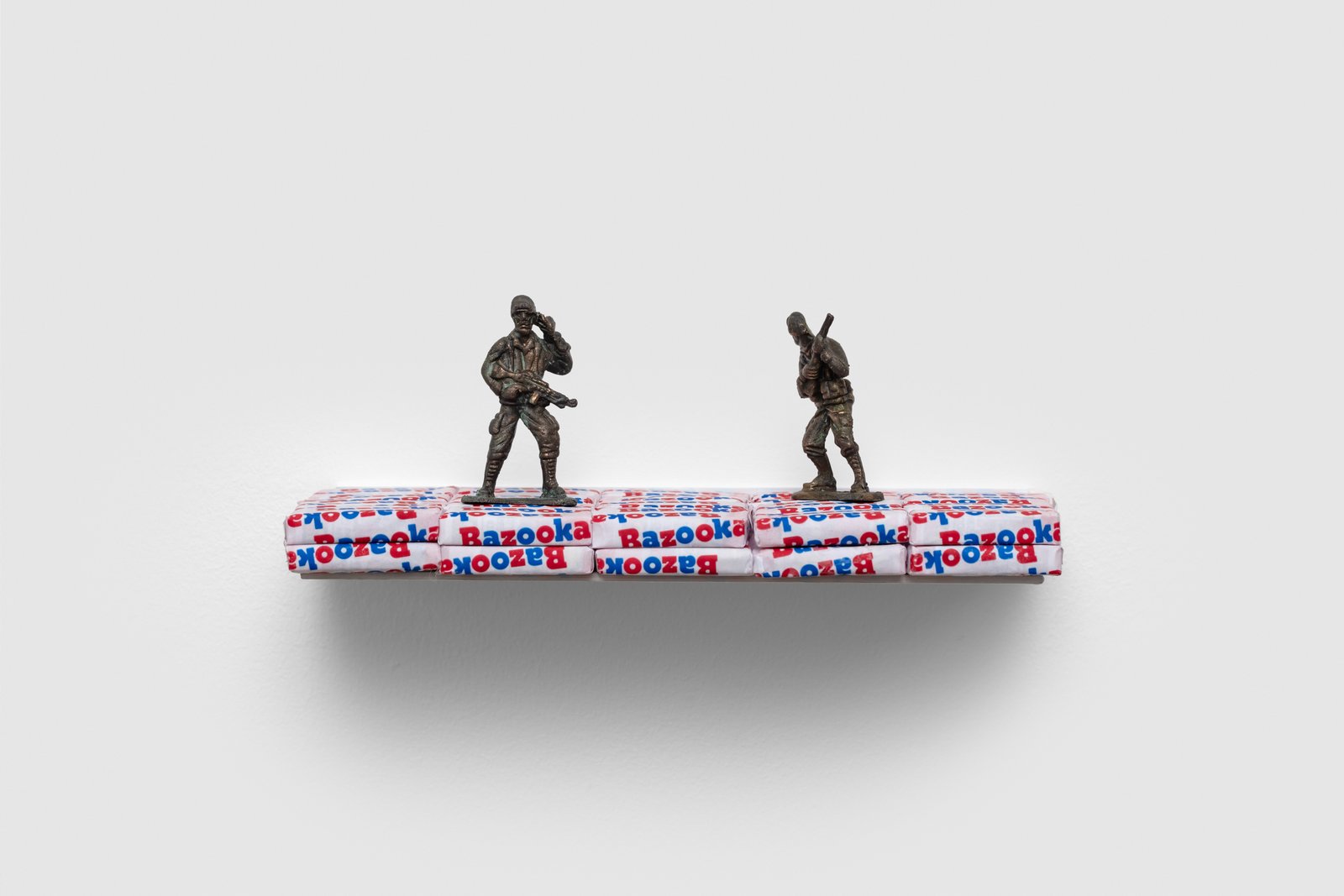
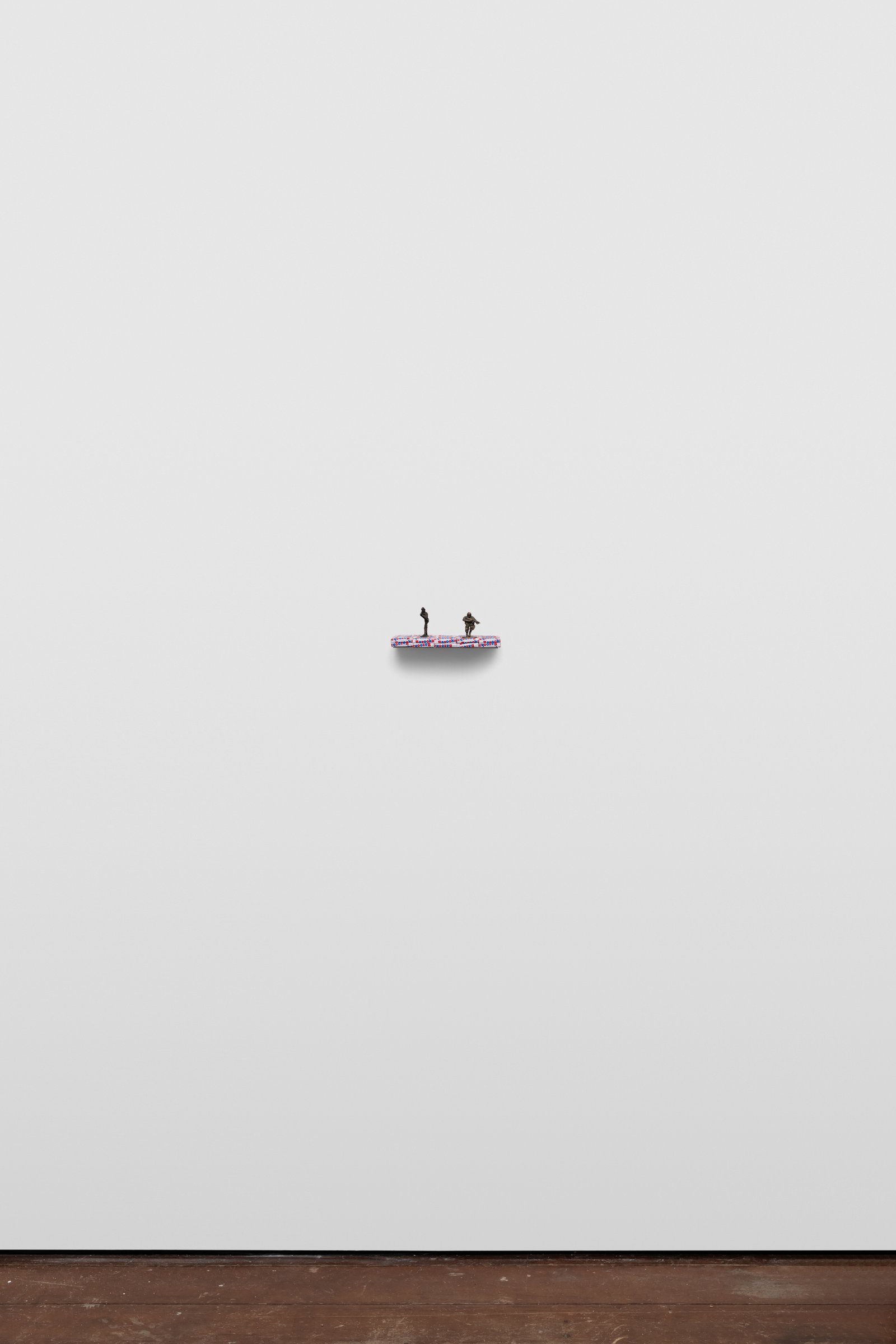
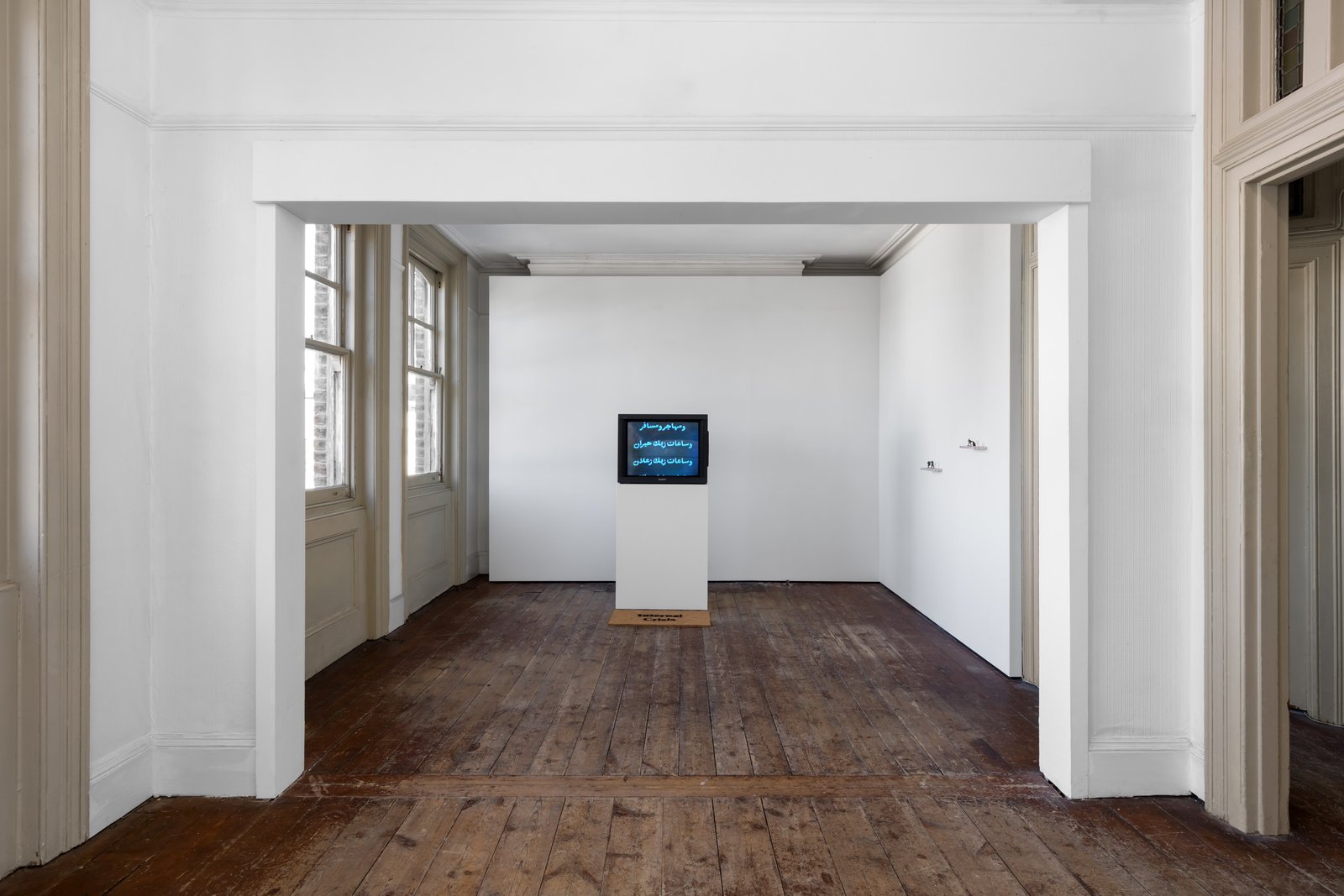
The exhibition revisits this history with deliberate irony. A doormat stamped with the imprint “U.S. Troops” conjures the double image of the American presence in Lebanon: soldiers welcomed as official “guests,” yet fundamentally unwanted intruders. “America is behind the door,” wrote Palestinian poet Mahmoud Darwish during the American-backed Israeli invasion of Beirut in 1982, capturing the sense of an ever-looming force that enters unbidden. In the display, soldiers are further miniaturised; shrunk into small figurines that mock the golrifying reproductions of their images circulated in Life magazine and other Western media. Even a found object, a marine food storage box, is transformed into a relic of occupation, underscoring the tension between the banality of military logistics and the violence of imperial presence.
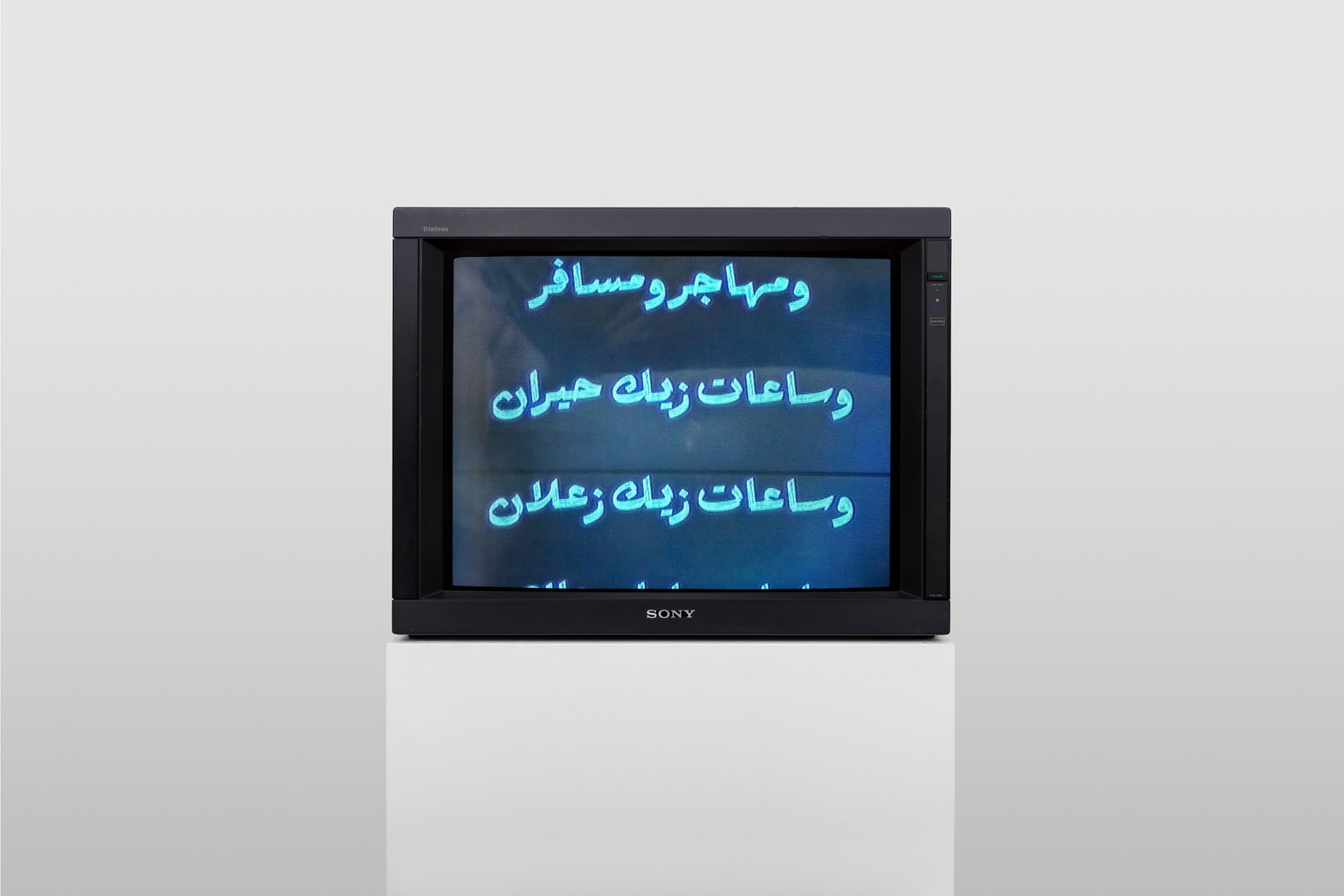
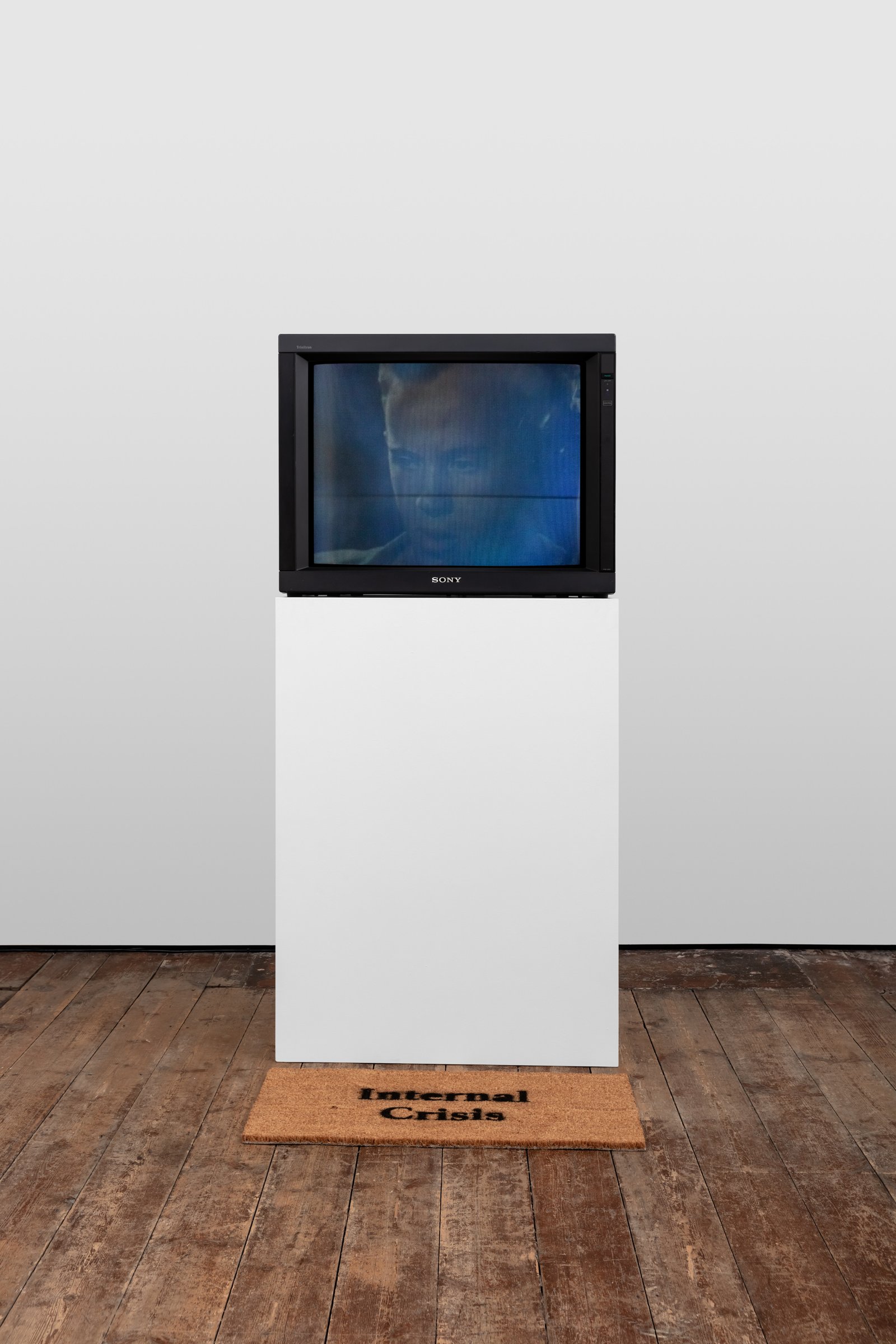
Yet this exhibition is as much about this episode in Lebanese-American history as it is about the sea. Joumaa’s video installation weaves together archival footage of American ships and soldiers in Lebanon in 1958, rendered in blue tones and distorted in wave-like forms. This imagery is set against the voice of Nagat al-Saghira in her ode to the sea, where she evokes it as confidant, mirror, and companion. The result is a juxtaposition, albeit an uneasy one, of macrohistory and microhistory: the grand sweep of geopolitics with the most intimate registers of longing and self-reflection. As Joumaa herself states: “This juxtaposition reveals how everyday consciousness accommodates contradictions: how we can simultaneously love and lose the landscapes that define us.”